

Alarm Notes















France - FIDMarseille - International Competition (world premiere) - 2025
Spain - Seville European Film Festival -‘Embrujo’ section - 2025
United Kingdom - Open City Documentary Festival in London - 2026
Alarm Notes is an experimental feature-length documentary, both poetic memoir and political report, that explores history, urban space and landscape.
An event, the Reichstag Fire, impacting on the life of Ludwig Koch (1881-1974), a German Jew and pioneer of sound recording, provides the film’s initial focus. The film has two contrasting parts that juxtapose Koch’s persecution in Nazi Germany with his experience as a refugee in Britain. Unifying these two parts is emphasis on Koch’s achievements in sound – evidenced by the original recordings included. Koch and members of his family are unwittingly implicated in the notorious event of the Reichstag Fire ushering in the Nazi era.
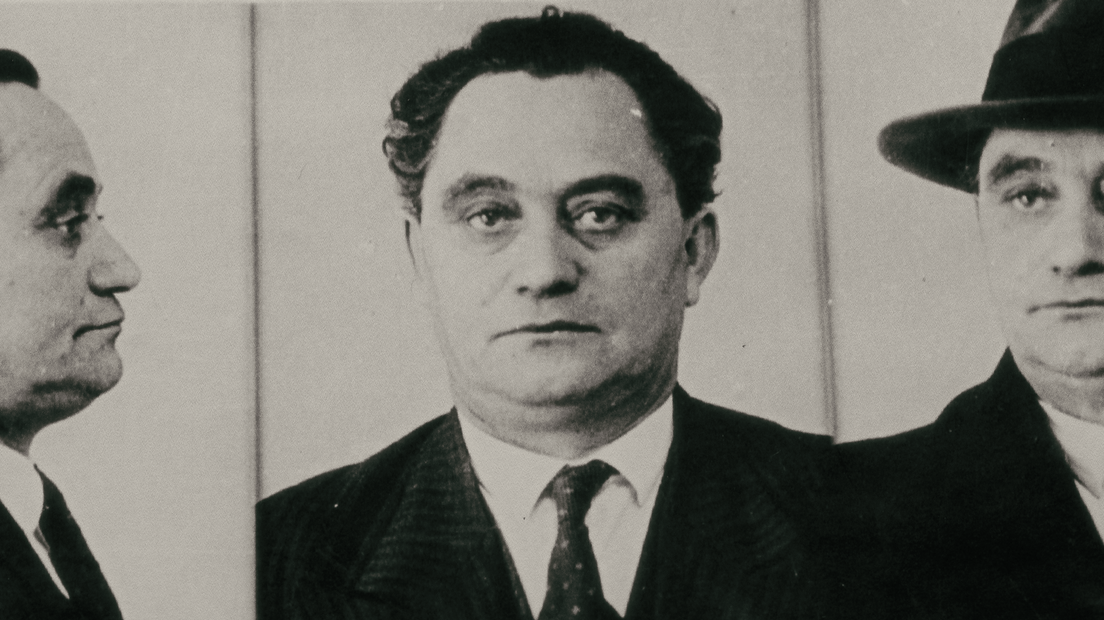
Georgi Dimitrov – important international communist – one of those arrested for setting fire to the building, is a lodger in the Koch house. Koch and his family endure police visits and interrogation. Within the film’s fragmented narrative, locations in Berlin and Leipzig significant to the event of the fire and to Koch are visually mapped. Locations include Koch’s house and place of work (Carl Lindström, a prominent gramophone company) and sites of the regime’s oppression and authority, such as the court in Leipzig, location of the Reichstag Fire trial at which Dimitrov is acquitted. Integrated into the machinations of the police investigation and Dimitrov’s prosecution are sequences exploring Koch's recording work and his development of the innovative multi-media form of the ‘sound-book’.
The film features extracts of his recordings of animals, birds, cities and the military. The use of police records and other archive documents evidencing Koch's persecution and enforced exile informs a rhythmical and poetic voice-over that transcends biography. The film’s second part, located within varied British landscapes and suggesting the melancholy of exile, explores Koch's further sound recordings – predominantly of birdsong – and his continuing experiments with the medium within work for the BBC.
Our film, Alarm Notes, comprises two highly contrasting parts of unequal length, different in terms of themes and visualisation though addressing related concerns for its subject – Ludwig Koch, his experiences and work as a pioneering sound recordist. The first part of the film is based on police statements, other archival documents and personal memory handed down to one of the filmmakers.
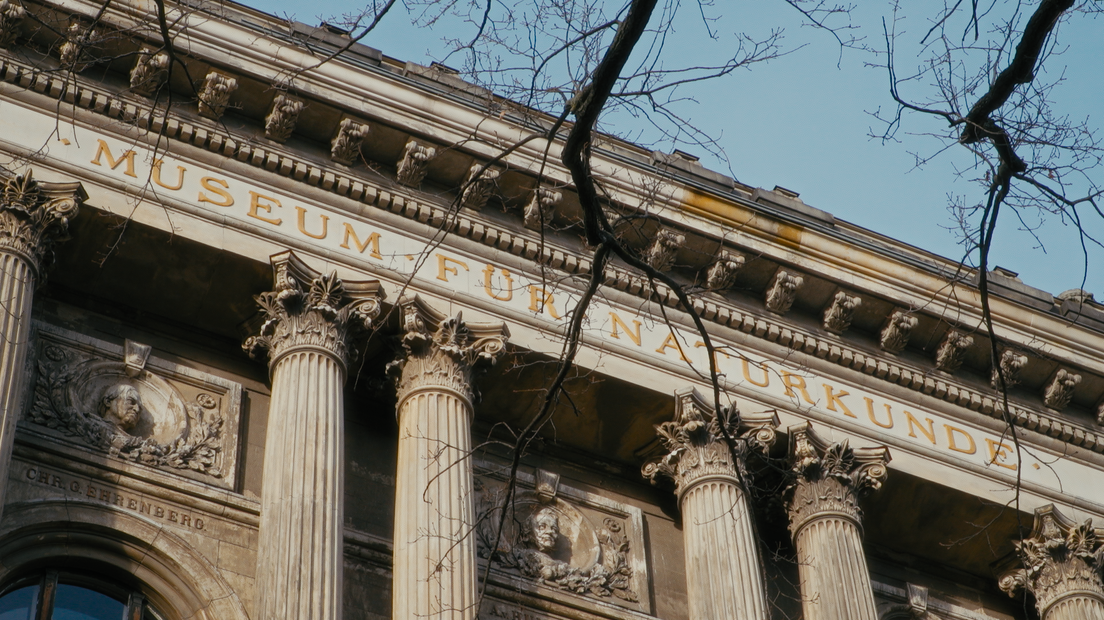
The documents tell of Koch’s involvement in the Reichstag Fire – the event that cemented the Nazis’ power in early 1933. The film begins with this event and the arrest of Georgi Dimitrov, an important communist and head of the West European Office of the Comintern, accused of involvement in the fire. Police documents, used sparingly and integrated with images that map the city, create a trail revealing Dimitrov’s presence as a lodger, under an alias, in the Koch’s house – articulating the danger to Koch and his family. The fact that the documents, particularly concerning the Kochs, are ambiguous, contradictory, open-ended and incomplete, has allowed us to create a fragmented narrative that projects an atmosphere of uncertainty, oppression and fear. In the first part of the film, in juxtaposed sequences of formal and hand-held shots made in different lights, the camera closely maps buildings and places in Berlin connected to Koch, his family, his maid, a network of communist activists and the Nazi secret police.
Koch’s work at this time as a record producer and sound recordist is interwoven with the intrigues surrounding Dimitrov and the Reichstag Fire and foregrounds his little-known German recordings of animals, birds, cities and the sounds of the military. The film’s title, Alarm Notes, conveys a sense of both political alarm and the sounds made by birds when they sense that danger is nearby.
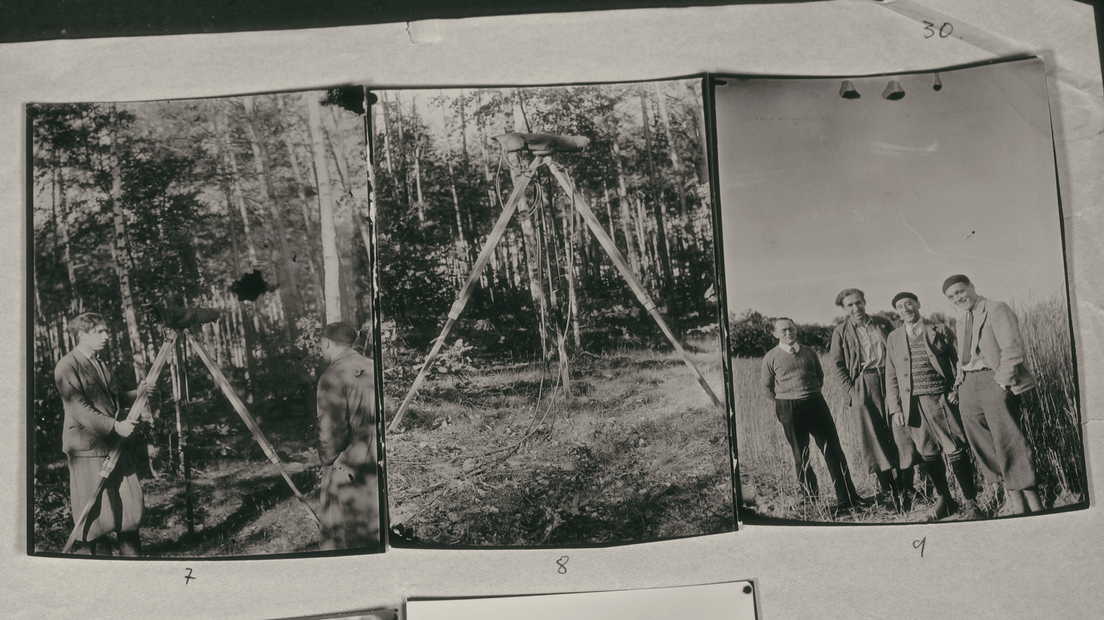
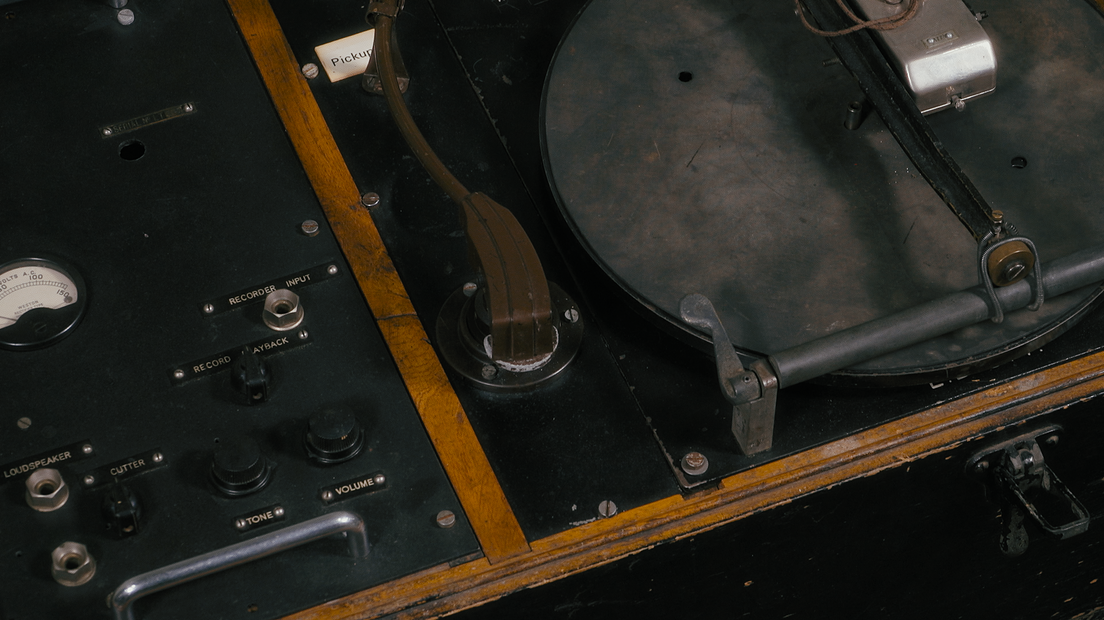
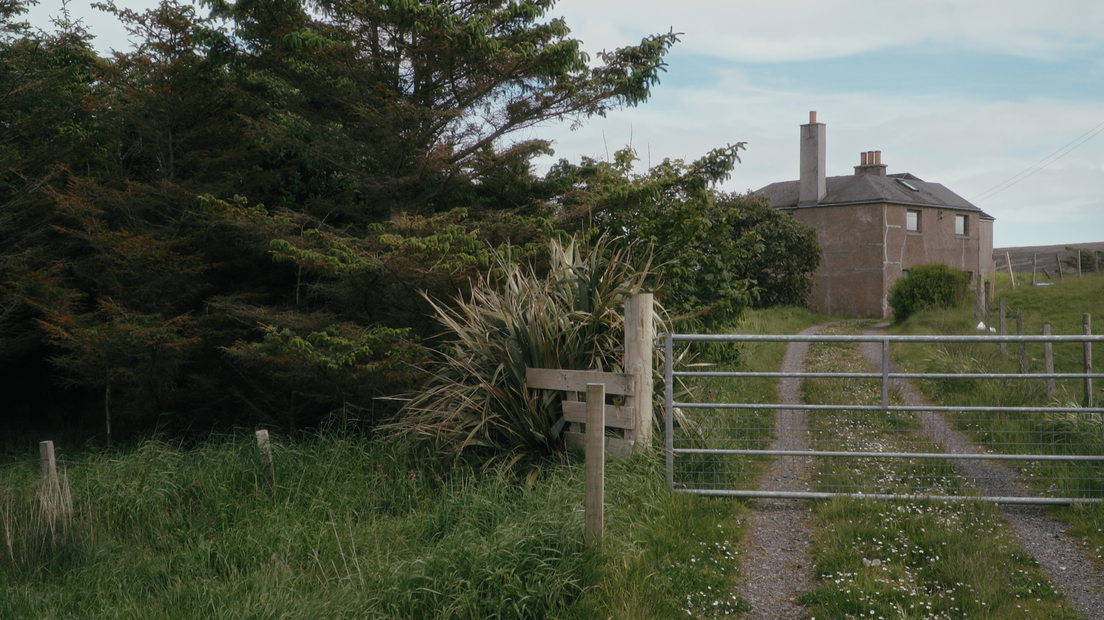
Koch was forced into exile in Great Britain. The film's second part depicts landscapes across the British Isles where Koch, reestablishing his life, made recordings of birds and other wildlife. The atmosphere of these images, filmed in different seasons, times of day, weathers and lights, conveys a sense of the single-minded and sometimes solitary nature of his work. A range of visual approaches creates atmospheres variously articulating Koch's achievement, working with bulky equipment in, for example: woodland around London; forests; open heathland in Scotland; the exposed treeless islands of Shetland and the rocky cliffs of an island off the Welsh coast. This varied depiction of landscape expresses both Koch's obsession with his endeavours, the melancholy of his exile and the joy he must have felt in making these recordings. Koch’s presence, in landscape otherwise empty of humans, is evoked by, for example, glimpses of his original recording equipment and the sound of him singing a Schubert song. Close up shots of his recording decks, loudspeaker and reel of microphone cable unwound across rough terrain, intercut with sequences of shots mapping particular landscapes, contribute to the construction of this montage. The sense of exile and isolation in this section of the film contrasts dramatically with the oppression of early National Socialism, police interrogations and the atmosphere of fear created by the Reichstag Fire and its repercussions.
The theme of technology runs through both parts of the film. We see and hear telephones, typewriters, Koch's different recording gear, including that fitted out in huge cars and lorries, and his invention of the novel media form of the soundbook – a combination of image, text and sound. The surface noise and delicate but raw nature of Koch's recordings as heard in the film, foreground their early technological origin. The qualities of these historical recordings contrast with those of the contemporary sound included within the film, conveying a sense of how technological advances distance us from the past. The combination of Koch’s extraordinary recordings, his innovative sound experiments for the BBC, and our own sound, creates a poetic rhythm. The soundtrack includes a voice-over that speaks of events and places, establishing an approximate chronology of incidents impacting on Koch and his associates in Germany. Its second person mode contributes to the way the film is constructed to work against straightforward biography. The voice is constant in the film’s first part, becoming sparser in the second part, conveying the contrast of Koch’s life before and after exile. This contrast is accentuated in the second part of the film by the occasional presence of recordings of Koch’s own voice, speaking in English with a strong German accent.
An influence on Alarm Notes and our previous two films that explore aspects of the lives of other members of the Koch family, has been that of the historian, Enzo Traverso. In his book, Critique of Modern Barbarism, he writes: ‘Refugees shared a common status of geographical, political and cultural ‘extraterritoriality’, living a fissured existence betwe In his book, Critique of Modern Barbarism, he writes: ‘Refugees shared a common status of geographical, political and cultural ‘extraterritoriality’, living a fissured existence between two worlds.’ Through the two parts of Alarm Notes, we have aimed to articulate a sense of ‘extraterritoriality’ and of ‘fissured existence’.
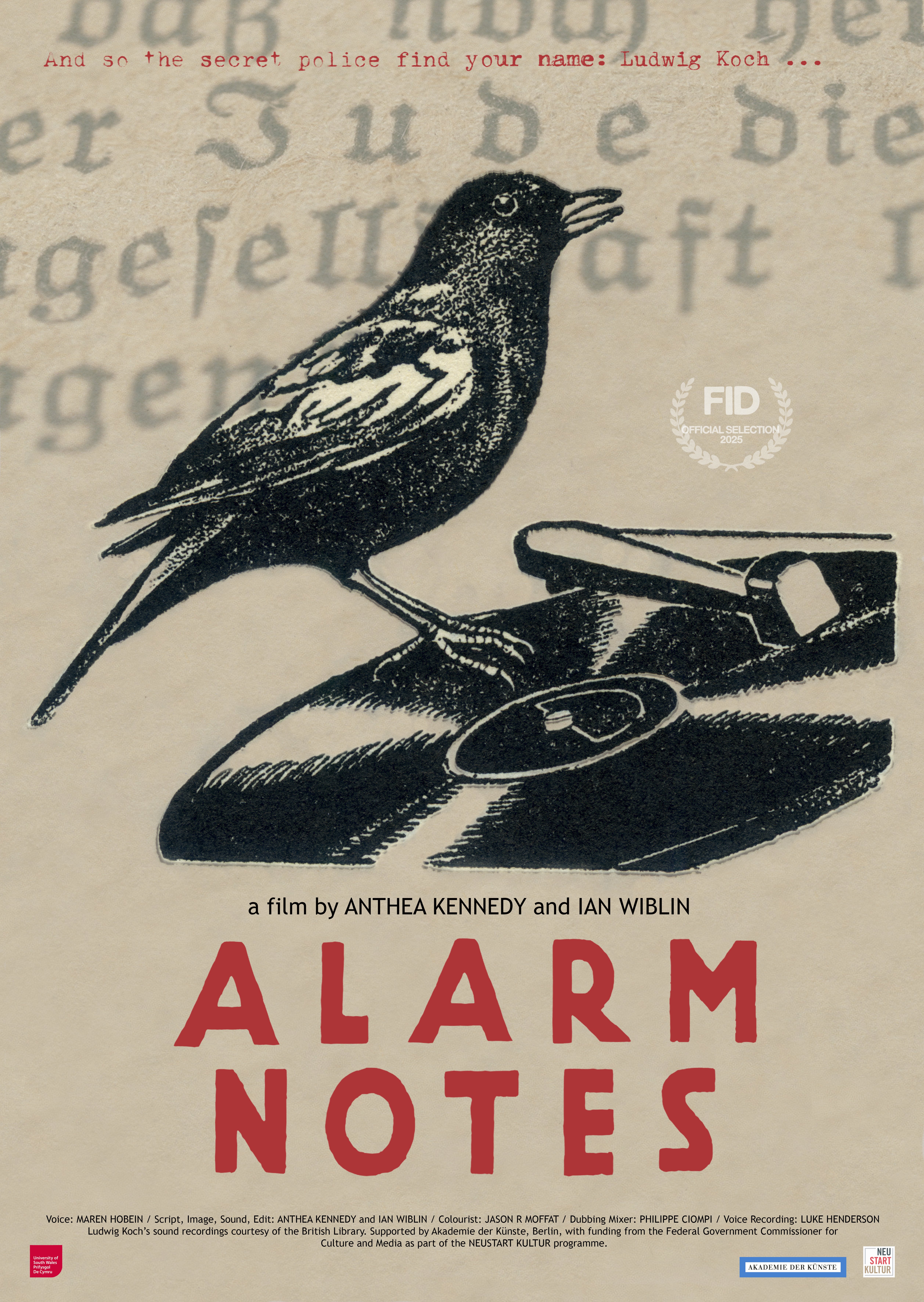
Alarm Notes resuscitates the forgotten figure of Ludwig Koch, pioneer of sound, victim of Nazi oppression and refugee.
Supported by the Akademie der Künste, Berlin, with funding from the Federal Government Commissioner for Culture and Media as part of the NEUSTART KULTUR programme.