PAST IS PRESENT


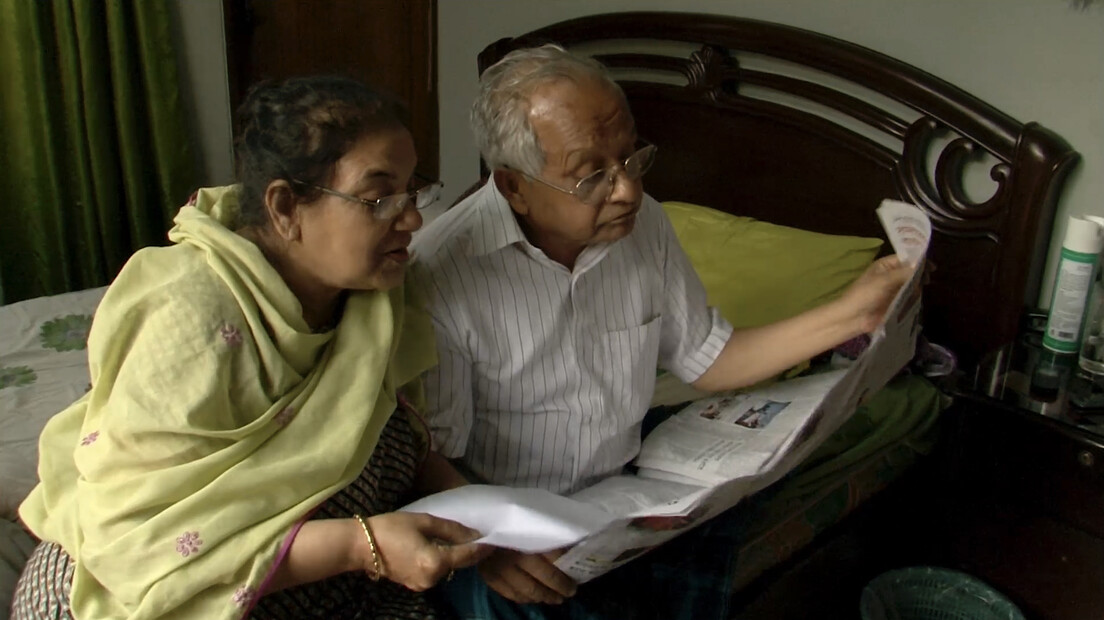


Netherlands - International Film Festival Rotterdam - Harbor program - 2025
Germany - The Fünf Seen Film Festival - (DOCUMENTARY FILM AWARD) - 2025
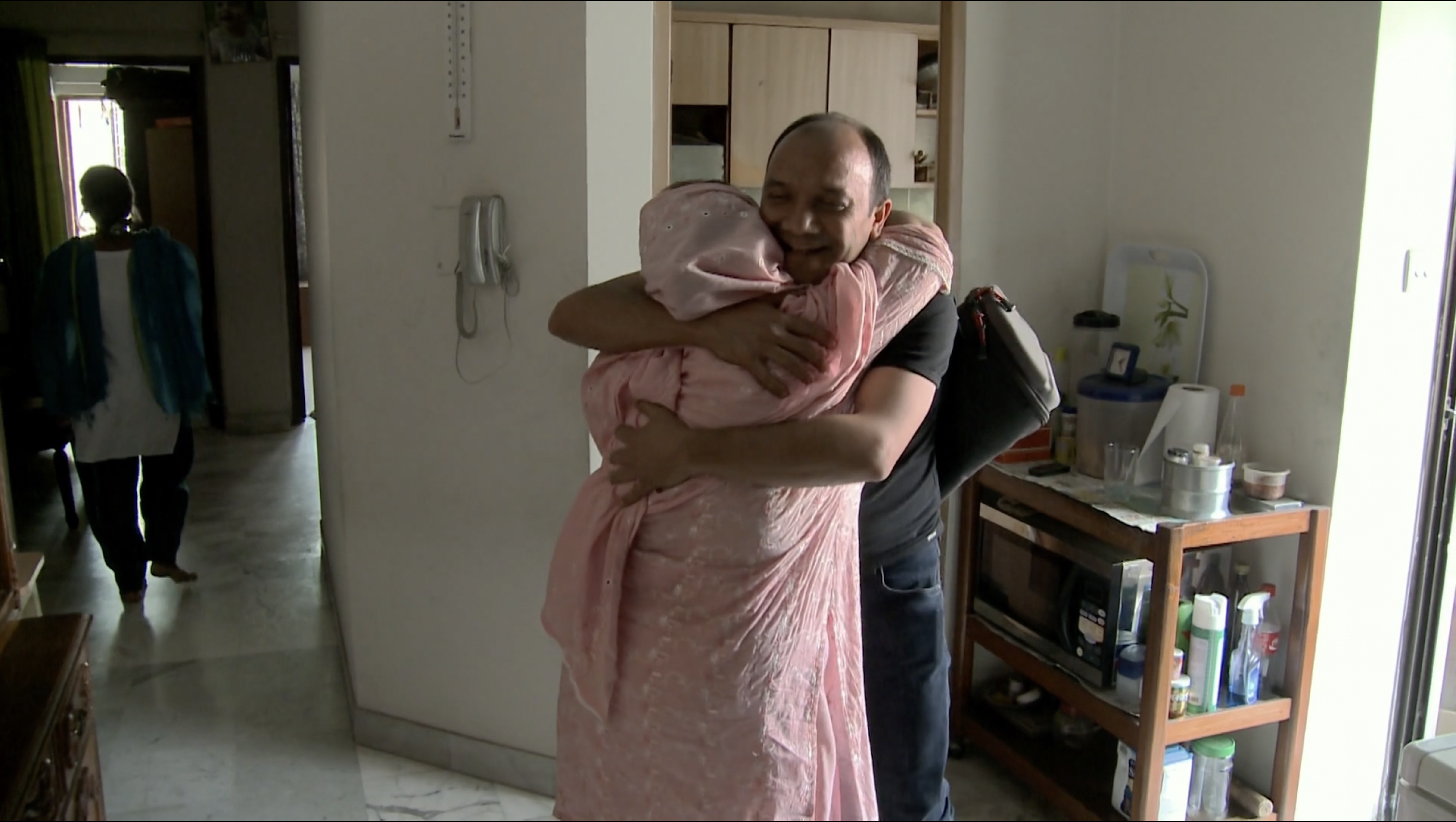
When his sister marries her cousin and takes her new husband to Australia, Shaheen Dill-Riaz’s family begins to crack. Scattered across continents and shot over fourteen years, Past Is Present offers a sweeping domestic documentary of their attempt at reconciliation.
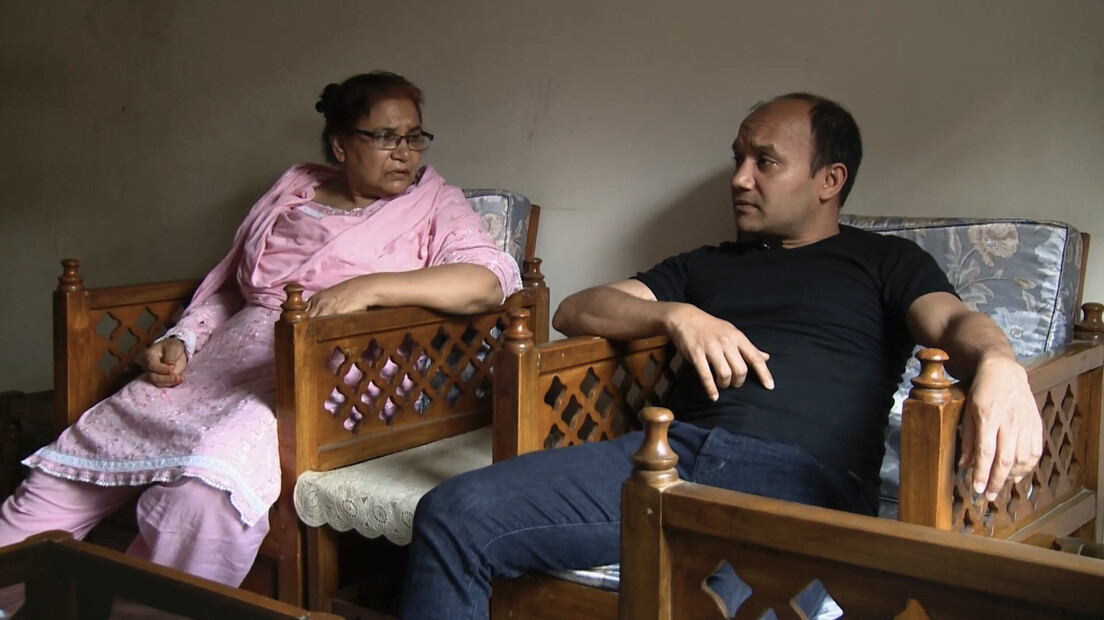
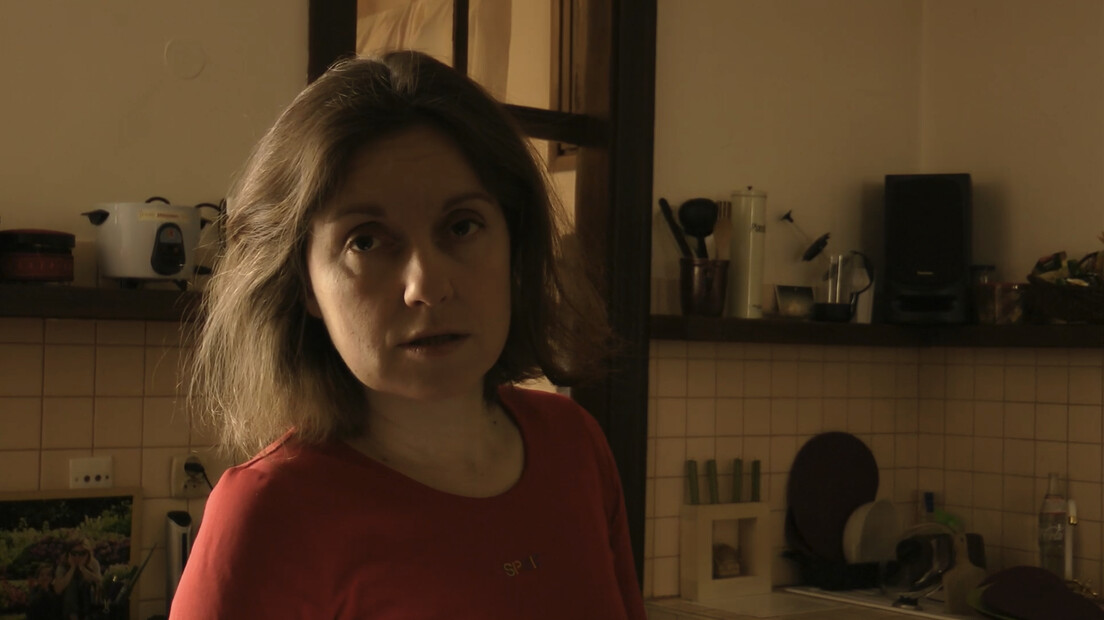
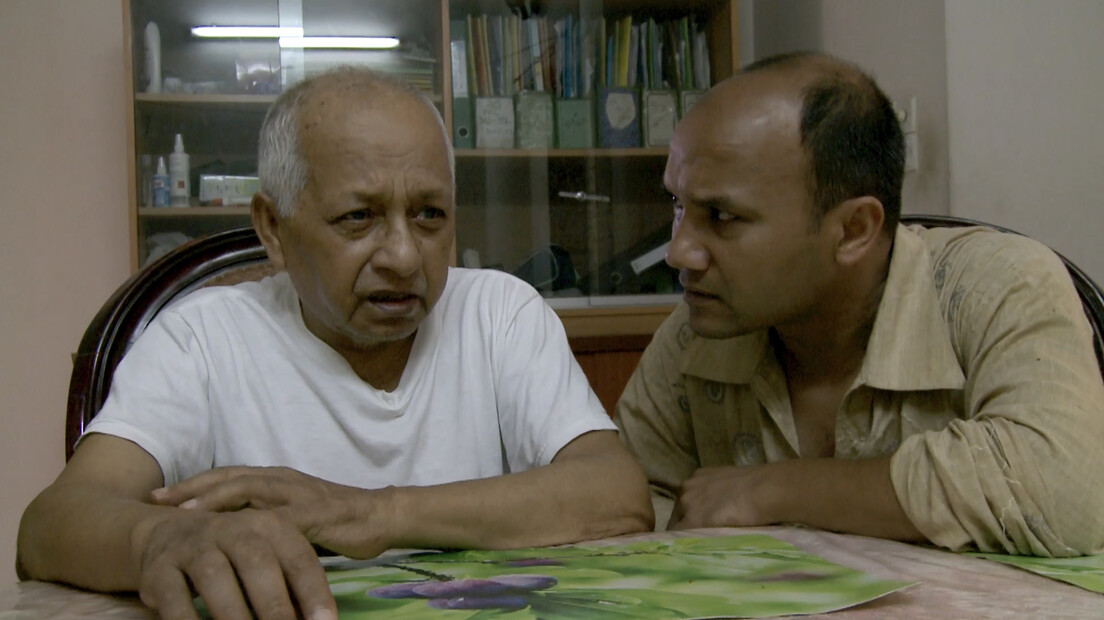
In 2007, Berlin-based Bangladeshi documentary filmmaker Shaheen Dill-Riaz found himself in the midst of a family scandal: while studying abroad, his sister Mitul had secretly married their cousin. To the great chagrin of their parents, this transgressive event began to tear the family apart. So, Dill-Riaz decided to mediate between Mitul in Australia, his younger brother Tutul in the USA and his heartbroken parents back home in Dhaka.
In Past Is Present, Dill-Riaz turns his camera onto himself and his dear ones, producing a sweeping domestic saga shot over fourteen years and across four continents. Tracing his parents’ journey from rural Bangladesh to Dhaka and their three children’s subsequent drift to far-flung corners of the globe, the filmmaker examines the complex personal fallout of voluntary migration, presented here in all its dimensions.
Dill-Riaz seamlessly interweaves moments of torrid drama with passages of mundane poetry, his handheld camera adopting a transparent, unassuming style. The film’s international narrative produces a startling contrast of textures and lifestyles, but also crystallises the continuities in emotional and moral values across cultures. A touching study in the tyrannies of distance, Past Is Present actualises the immortal struggle between the home and the world.
– Srikanth Srinivasan
"Life can only be understood backwards, but it must be lived forward."
Søren Kierkegaard
I didn’t really make this film, rather it made me, over the period of a long Odyssey of 14 years. A spark of a family conflict in 2009 made me take the camera in my hand. Since then, I observed my family members, myself, in our private spaces and intimate moments, yet not with enough ambition of making a film out of the material rather to deal with the situation. It can be said that I took the opportunity as a cinematographer by creating that diversion to distant myself from my very own emotional turmoil and struggle in that context. Partially willing and at the same time (at the beginning) unwilling participation of my family members, I gradually could gather a huge amount of footage that led us to the potential for the film. Me and my editor could see the elements of stories that are common among millions of ‘diaspora families’ with their members living in different continents, scattered across the globe in actual physical or emotional distance.